

There are things you only learn by doing the work.
By making something before you know exactly how. By working with people who see the problem differently. By getting it wrong, adjusting, and trying again. By moving between disciplines, environments, constraints, and ways of thinking.
Over time, those experiences become knowledge.
Working Knowledge is a place to document and share it.
Ideas, methods, observations, tools, references, and lessons gathered through creative practice — shared in the hope that they might be useful in yours.
Just knowledge still at work.

Working at Speed
Speed is not the ability to rush. It is the result of relationships, technical knowledge, taste, and working methods developed before the deadline arrives.

Responsibility becomes physical.
I arrived in Paris two days before the designer was due at the showroom. The clothing racks had not arrived. Months of work, money, and the designer’s reputation were already committed.
The nearest IKEA had nothing usable. I found another store forty-five minutes outside the city, took an Uber there, loaded the racks into another Uber, brought them back, and assembled them myself.
The showroom opened as intended.
Judgment is built in advance.
Knowing how light, materials, space, and production behave eliminates bad options early. If talent arrives at one, harsh exterior light is already part of the decision. Move inside, change the schedule, or control the light.
A fast, tasteful decision is not instinct without history. It comes from years of studying, practicing, making, and living around the work.
A shortcut can save time. It cannot replace judgment.
Trust is built in advance.
Strong relationships create faster trust, honest communication, and access to resources. Under pressure, you are not simply calling a contact. You are drawing on a history of showing up, paying attention, recommending people, and participating when there was nothing immediate to gain.


Keep the room clear enough to work.
Pressure spreads quickly. Creative leadership keeps it from becoming the atmosphere of the project. Keep things light without minimizing the problem. Remind people why they are there, what they are making, and that the team will get it done. Then make the next decision.
The urgent brief begins before it arrives.
Creative Direction Is a Practice of Connection
Creative direction is not simply the ability to choose. It is the practice of connecting ideas, disciplines, people, references, and context until the work has a clear center of gravity.
How Creative Opportunities Compound
How public work, thoughtful outreach, relationships, and reliable delivery expand what becomes possible.
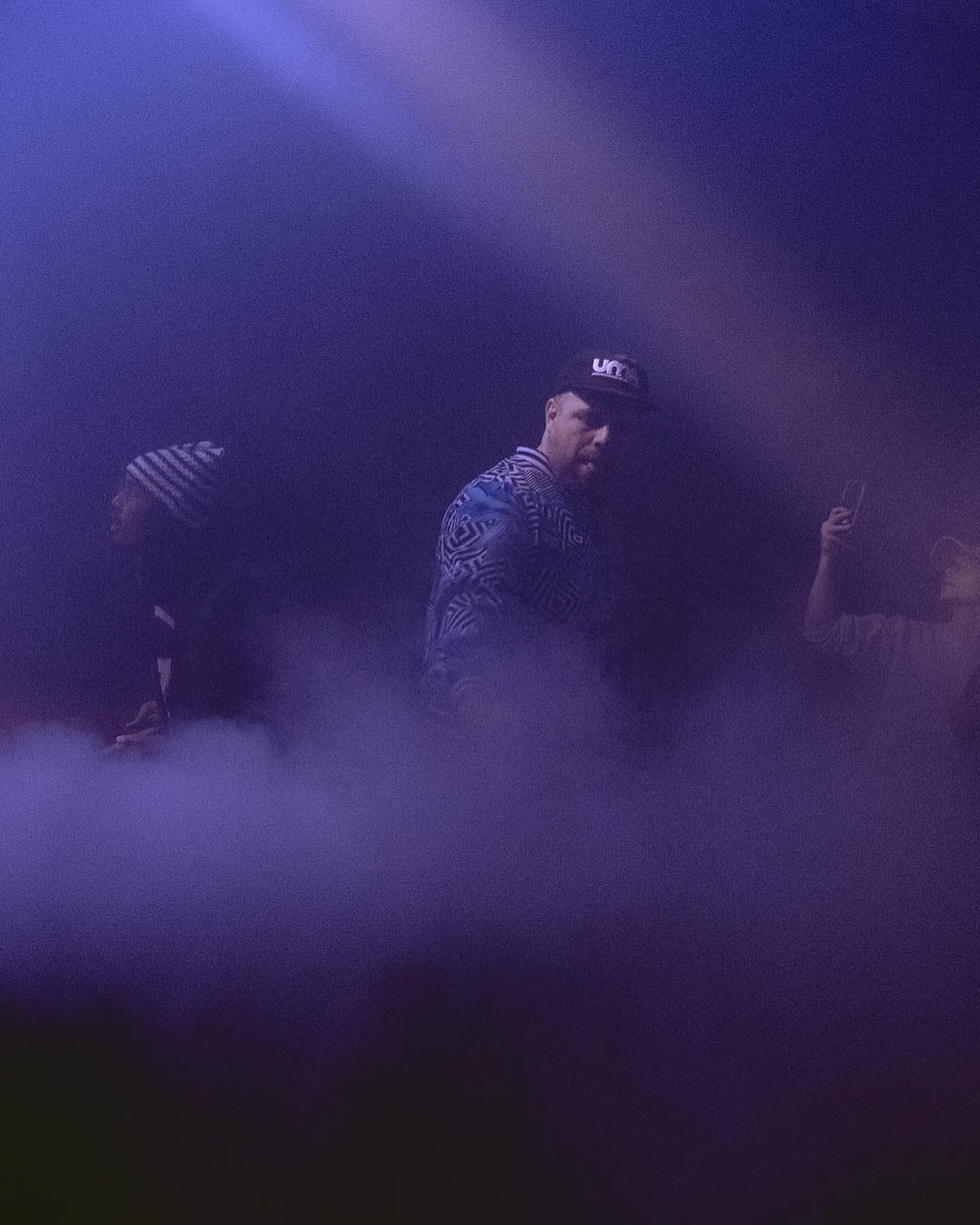
Your career is a moving board.
Creative careers rarely develop in a straight line from outreach to project. Every thoughtful move can change the position of the next one—even when its value is not immediate.
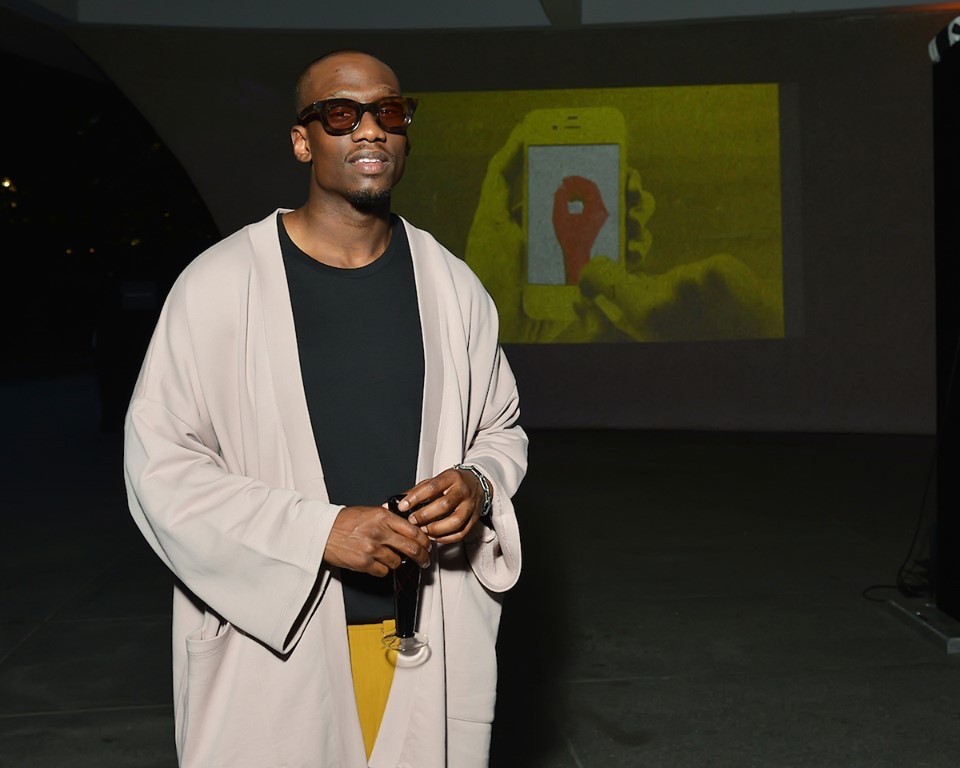
Show the work you want next.
Personal work can demonstrate a direction before a client offers permission, budget, or a brief. It gives other people evidence of what you notice, how you think, and what you can make possible.
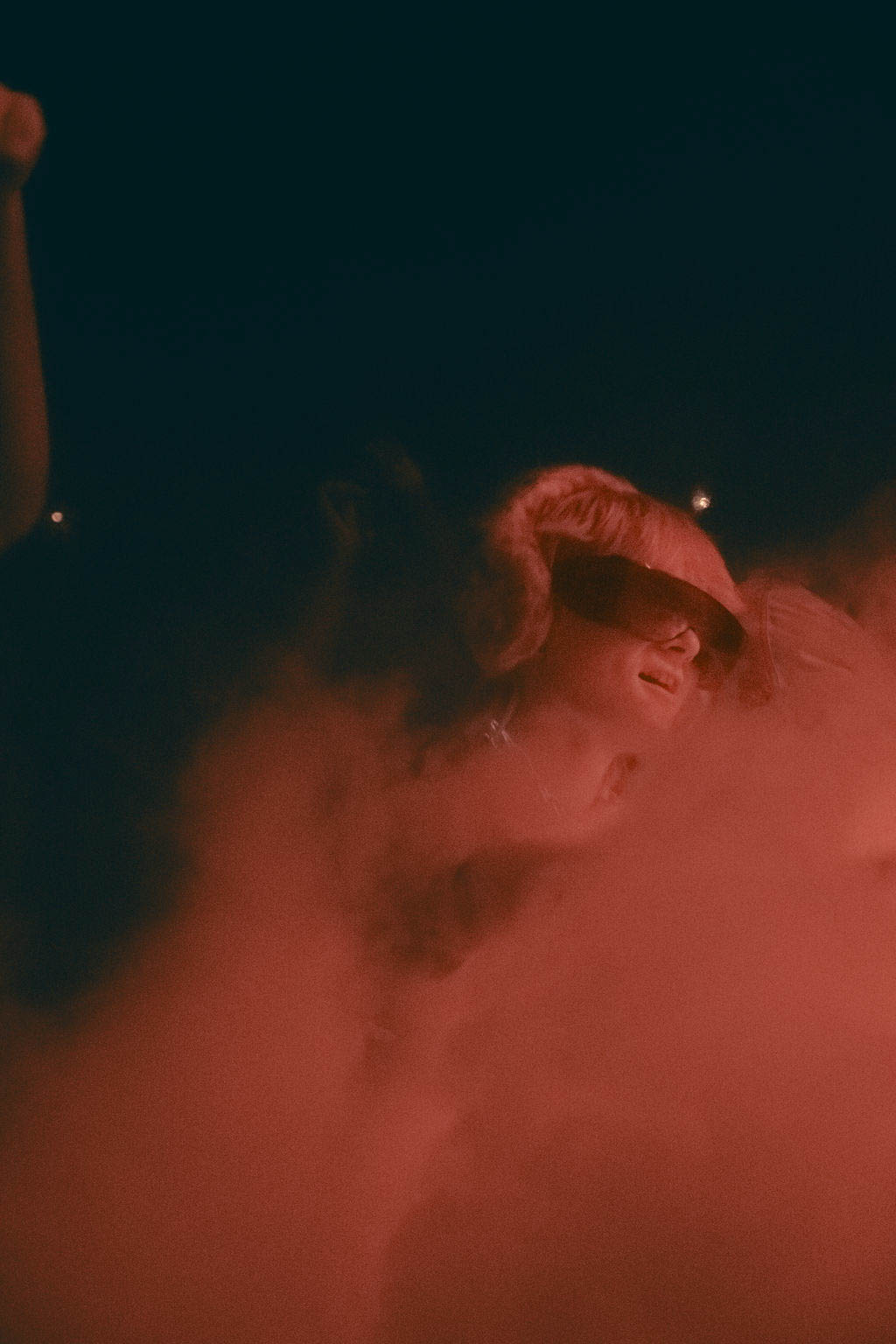
A personal art installation existed publicly before the Smithsonian opportunity arrived. The institution did not have to imagine the capability—it could encounter the work directly.

Attention comes before outreach.
Tasteful outreach begins with true connection. Learn how the person, collective, or institution thinks. Spend time with the work. Recognize when participation is a stronger opening than a pitch.
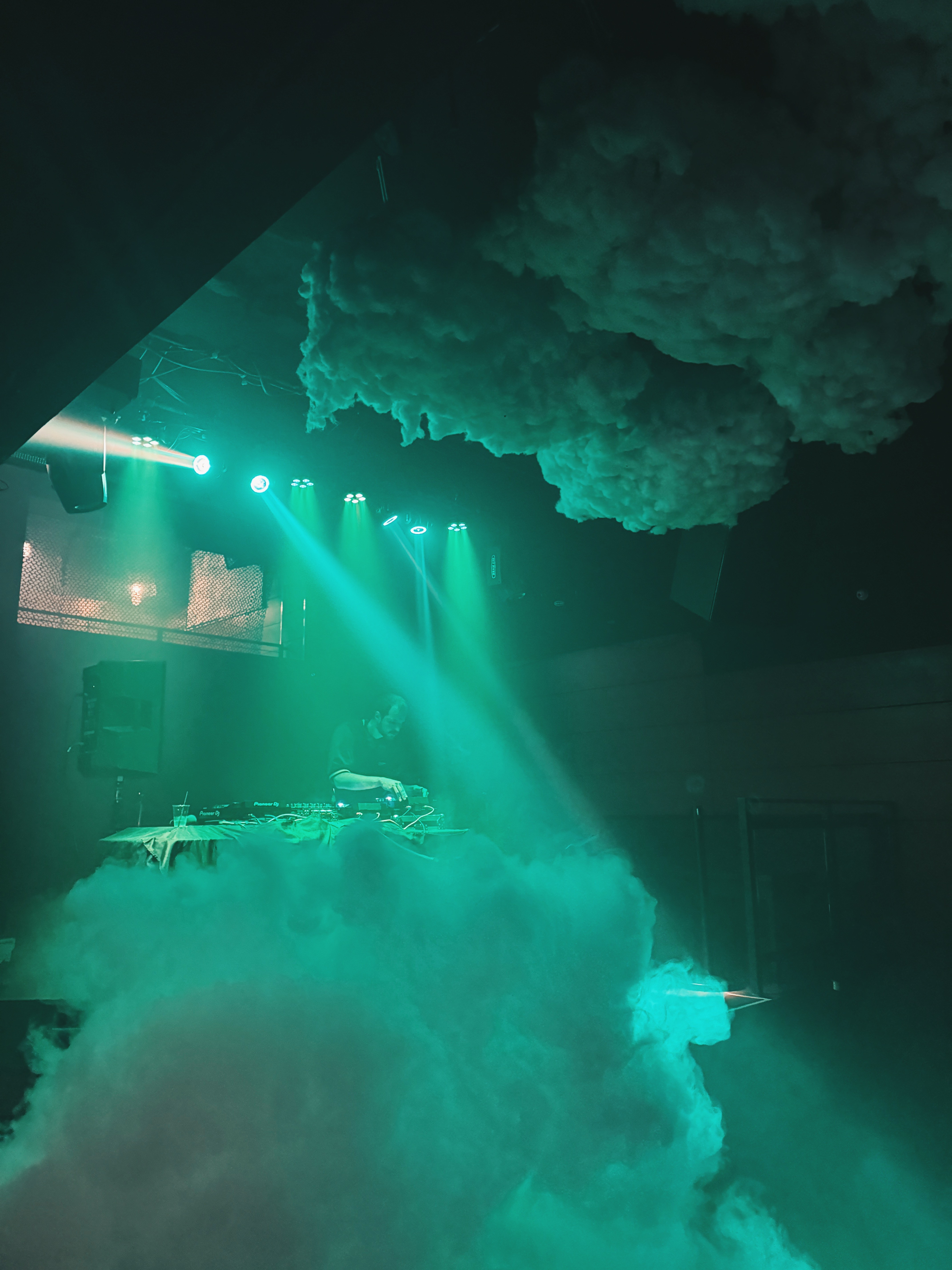
Pierre first attended an HDF.online experience from genuine interest, approached the organizers, and stayed connected. Months later, that relationship led to an invitation to create an immersive cloud installation.
Make yourself easy to recommend.
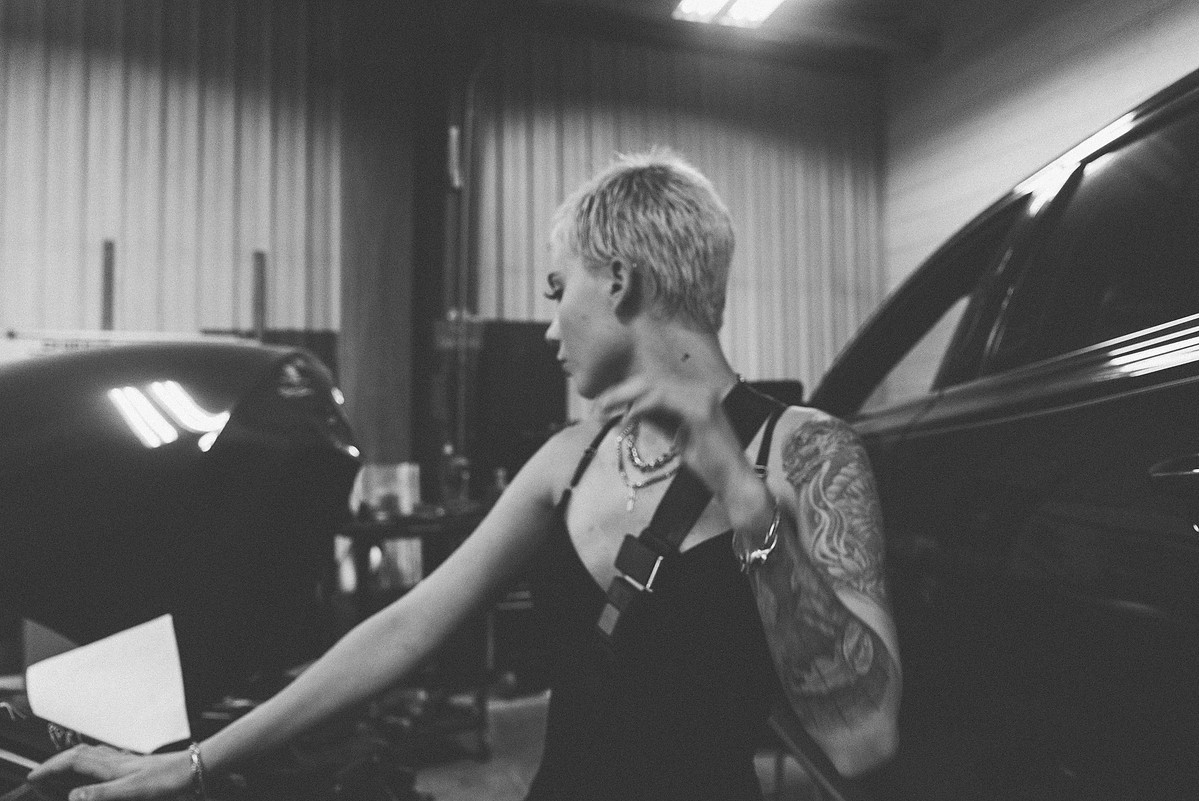
Relationships may open the door, but the body of work gives a recommendation credibility. Clear positioning helps someone describe your value; communication, judgment, and follow-through make them willing to attach their trust to your name.
Opportunity grows through reinforcement.
There is no universal sequence. Strengthen the part of the system that is currently weakest, then make the next useful move. Each credible exposure, relationship, and delivery creates more evidence for the cycle to carry forward.